
You have three main options when you want to add solar panels to your tile roof. Each Tile Roof Solar Mounting System works best for a different roof type and tile material. You should think about how fast you want the installation done and what kind of tiles cover your roof. Angels Solar can help you choose the right system for your needs.
Key Takeaways
Pick the best mounting system for your roof type. You can use tile hook mounting, tile replacement mounting, or rail-based mounting. Tile hook mounting is quick to install and does not break tiles. It fits many tile types and can save you a lot of time. Tile replacement mounting keeps water out very well. It works best for heavy or breakable tiles but takes more time to put in. Rail-based mounting is strong and can be used for big solar projects. It lets you add more solar panels later if you want. Always seal any holes made during the work to stop leaks. Talk to experts like Angels Solar for the best help.
1. Tile Hook Mounting
How It Works
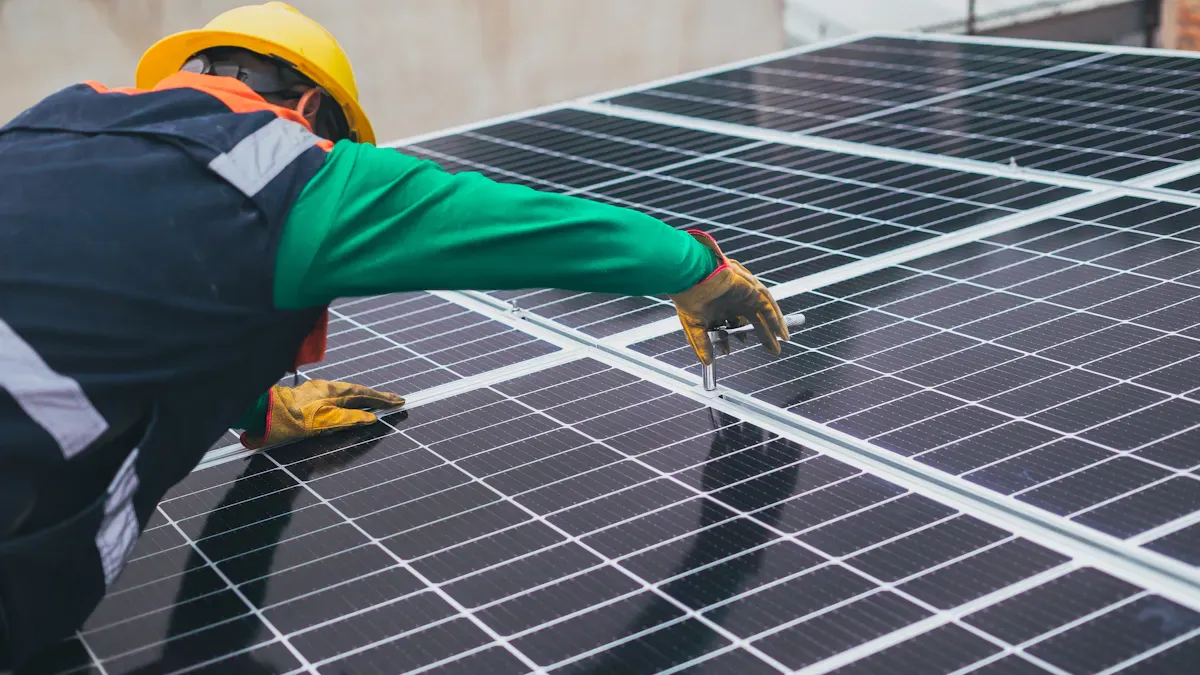
Tile hook mounting lets you put solar panels on your roof without taking off the tiles. You use special hooks that go under the tiles. Rails or brackets are attached to these hooks. This works for many tile types like cement, flat, curved, and S-tile roofs. Products such as IntegraRack IR-T1 TileBallast™ help make the installation fast and strong. Tile hook systems save time because you do not need to cut or break tiles. Installers finish the job much faster than old ways, sometimes 30% to 50% quicker. If you want a good Tile Roof Solar Mounting System, Angels Solar has Roof Mount Kit Mounting Systems and solar panel roof brackets made for tile hook setups.
Pros & Cons
Tip: Always check how much weight your tile hooks can hold before you start.
Pros:
You get a fast installation with less chance of breaking tiles.
Strong hooks can handle uplift forces over 3,000 lbs.
This method works for many roof types.
Cons:
If you install it wrong, tiles might crack.
Bad weather can make hooks weaker.
Roofs with tricky shapes may need special hooks.
Best Use Cases
Pick tile hook mounting if your roof has regular tiles and you want the job done quickly. This method fits clay, concrete, slate, and flat tiles. The table below shows which hooks are best for each roof type:
Type | Tile Compatibility | Installation Ease | Durability | Best Application |
|---|---|---|---|---|
Traditional Tile Hook | Clay, Concrete | Easy | High | Standard pitched tile roofs |
Universal Hook | Mixed Types | Moderate | High | Variety of tile configurations |
Flat Roof Hook | Slate, Shingle, Flat Tiles | Moderate | Very High | Low-slope or flat-tile roofs |
Dual-Purpose Hook | Specific Tile Systems | Easy (with planning) | Very High | New builds, integrated designs |
You can trust Angels Solar for a Tile Roof Solar Mounting System that fits your roof and local weather. If your roof is shaped oddly or has more than one level, ask about custom hooks or special kits.
2. Tile Replacement Mounting
How It Works
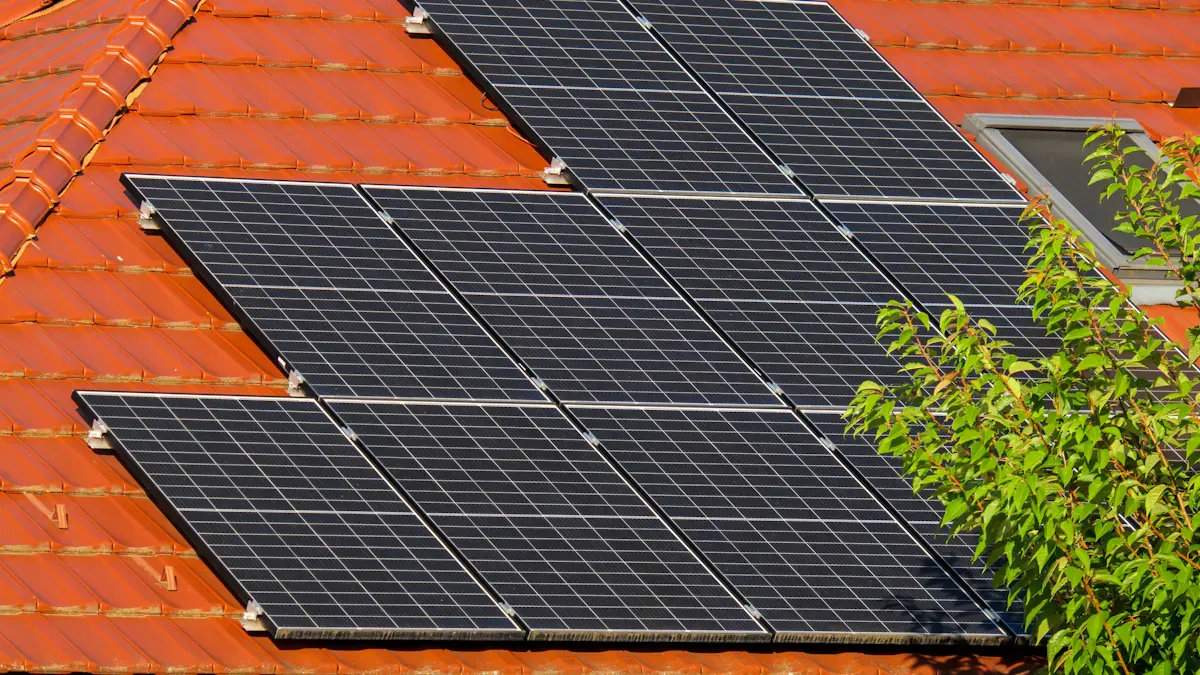
Tile replacement mounting is a safe way to put solar panels on your roof. You take out some tiles and put in special brackets or flashing pieces. These brackets, like the IronRidge Tile Replacement Mount, go right on the roof rafters or decking. This keeps your roof strong and stops water from getting in. There are heavy-duty kits for concrete and slate tiles. These kits help hold up the weight of your solar panels. When you use Photovoltaic Roof Tiles brackets, you can fit many tile shapes and sizes. If you seal the holes made for the mounting hardware, you stop leaks and keep your home safe.
Tip: Make sure the replacement mounts fit your tile type before you start.
Pros & Cons
You should know the good and bad sides of this Tile Roof Solar Mounting System.
Pros:
The mounts seal tight, so water cannot get in.
This system works with almost all tile types, even flat and curved tiles.
Heavy-duty kits can hold big solar arrays.
Cons:
It takes longer to install than other ways. Most homes need about 4 days, not 2.
You have to take out and put back tiles. This is hard if tiles are old or break easily.
You must seal every hole to stop leaks.
Best Use Cases
Pick tile replacement mounting if you want the best water protection. It is also good if your roof has heavy or fragile tiles. This way works well for concrete, slate, and Spanish-style roofs. You can use different mounts for flat tiles and curved tiles. If you want a strong Tile Roof Solar Mounting System, try Solar Roof Fixing Mounting from Angels Solar. These systems help you avoid breaking tiles and keep your roof safe for a long time.
Tile Type | Best Mounting Solution | Water Protection | Installation Time |
|---|---|---|---|
Concrete | Heavy-duty replacement kit | Excellent | 4 days |
Slate | Specialized brackets | Excellent | 4 days |
Spanish/Curved | Custom-fit mounts | Excellent | 4 days |
Flat | Flat tile replacement kit | Excellent | 4 days |
You can trust tile replacement mounting to keep your roof safe and your solar panels secure.
3. Rail-Based Mounting
How It Works
Rail-based mounting gives you a strong way to attach solar panels to your tile roof. You use rails that run across your roof, and these rails hold the solar panels in place. You can choose between penetrative and non-penetrative systems, like those from NOVA, to match your safety needs. Here is how you usually install a rail-based Tile Roof Solar Mounting System:
Mark the rafter where you want to install the hook.
Lift the tile above the spot to see the underlayment.
Place the roof hook and drill pilot holes for the lag bolts.
Slide metal flashing under the hook’s base and put sealant around the holes.
Secure the hook by driving lag bolts into the rafter.
Lower the tile back so it sits flat.
You can use this method on flat tile roofs with roof bars or hook mounts. If you want a reliable system, check out roof mount solar racking from Angels Solar.
Pros & Cons
Note: Rail-based mounting gives you both strength and flexibility, but you need to follow safety steps.
Pros:
Works with many tile types, including clay, concrete, and composite.
Lets you install large solar arrays safely.
Offers both penetrative and non-penetrative options for different needs.
Cons:
Takes more time to install than some other systems.
Needs careful sealing to prevent leaks.
May cost more if your roof has a complex shape.
Here are some main safety features you get with rail-based mounting:
Safety Feature | Description |
|---|---|
Structural Requirements | Handles dead loads, live loads, and safety factors. |
Grounding and Bonding | Keeps your system safe with proper electrical grounding and bonding. |
Safety Protocols | Includes fall protection and electrical safety during installation. |
Best Use Cases
You should pick rail-based mounting if you want a flexible and strong Tile Roof Solar Mounting System. This method fits many roof types. See the table below for compatibility:
Type of Tile Roof | Compatibility with Rail-Based Mounting Systems |
|---|---|
Clay Tiles | Yes |
Concrete Tiles | Yes |
Composite Tiles | Yes |
Rail-based mounting works best for large solar projects or roofs with flat tiles. You can also use it if you want to add more panels later. Angels Solar offers many rail-based solutions to help you get the most from your solar system.
Tile Roof Solar Mounting System Comparison
Key Differences
You need to know how each mounting system stands out. The table below shows the main differences in speed, strength, and water protection:
Mounting System | Speed of Installation | Strength | Water Protection |
|---|---|---|---|
Tile Hooks | Moderate | Moderate | Moderate |
Tile Replacement Mounts | Fast | High | Excellent |
Rail-Based Mounting | Slow | Very High | Excellent |
Tile replacement mounts give you the fastest installation and the best water protection. Rail-based systems offer the highest strength, which helps if you live in a place with strong winds or heavy snow. Tile hooks give you a balance of speed and cost, but you may get less water protection.
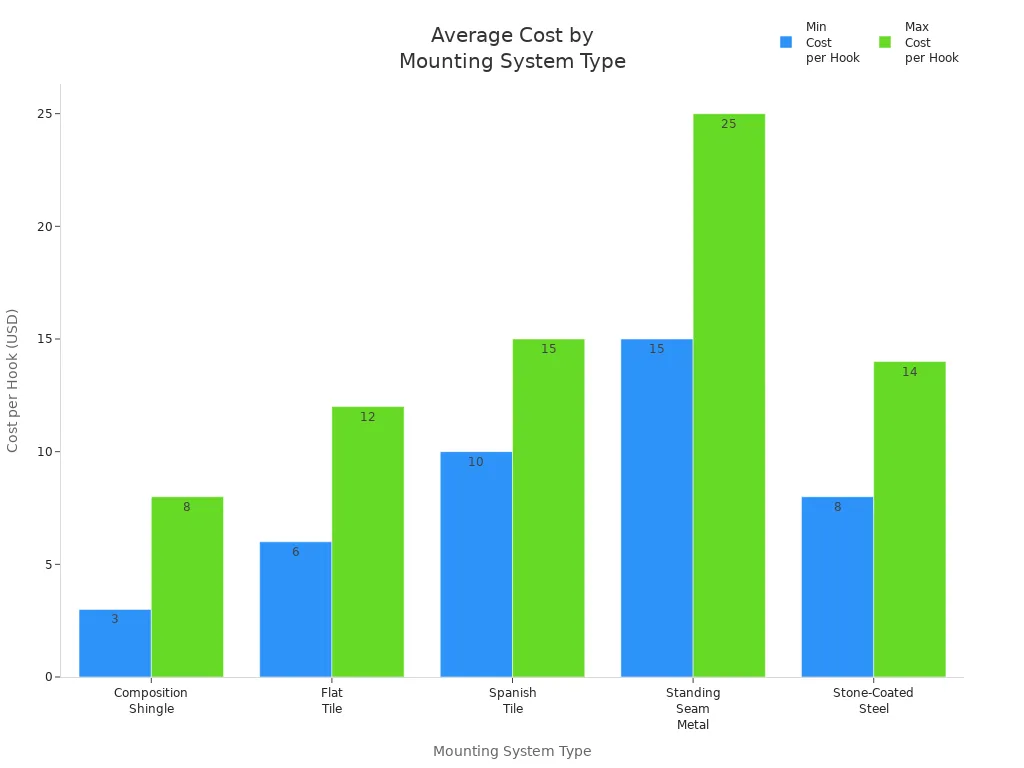
You should also think about cost. Railless systems can save you up to 35% on materials and labor. The average cost per hook changes with your roof type:
Mounting System Type | Average Cost per Hook |
|---|---|
Flat Tile | $6-12 |
Spanish Tile | $10-15 |
Composition Shingle | $3-8 |
All three systems usually come with a 25-year warranty. They use strong metals like stainless steel and aluminum, so you can expect them to last as long as your solar panels.
Choosing the Right System
You should match your roof and budget to the best Tile Roof Solar Mounting System. Here are the main things to consider:
Roof material and age: Check if your tiles are clay, concrete, or slate, and see if your roof is in good shape.
Structural strength: Make sure your roof can hold the panels and mounting hardware.
Local building codes: Always follow local rules for safety.
Aesthetics and system size: Think about how the system will look and how many panels you want.
Budget: Costs change based on system type and roof shape.
Tip: Never mount solar panels directly on tiles. Use certified hooks or mounts and seal every hole to stop leaks.
You can ask Angels Solar for expert advice. Their team can help you pick the right system, check your roof, and make sure your installation meets all safety standards.
There are three main ways to put solar panels on tile roofs. These are tile hook mounting, tile replacement mounting, and rail-based mounting. For regular tiles, you can use Roof Mount Kit Mounting Systems or solar panel roof brackets. If your tiles are heavy or break easily, try Photovoltaic Roof Tiles brackets or Solar Roof Fixing Mounting. For big or tricky roofs, pick roof mount solar racking. Always choose a system that fits your roof and tile type. Experts say adjustable hooks make the job easier. You should also fix any broken tiles before you start. If you want the best results, ask Angels Solar for help and a plan made just for you.
FAQ
What is the best way to install solar panels on a tile roof?
You should choose a Tile Roof Solar Mounting System that matches your tile type and roof shape. Many people use Roof Mount Kit Mounting Systems for regular tiles because they are easy and fast.
Can I use solar panels on old or fragile tiles?
Yes, you can. Use Photovoltaic Roof Tiles brackets or Solar Roof Fixing Mounting for extra support. These options help protect old or delicate tiles.
How do I prevent leaks when installing solar panels?
Always seal every hole you make. Use flashing and proper mounts like solar panel roof brackets. This keeps water out and protects your home.
Can I add more panels later if I use a rail-based system?
Yes! roof mount solar racking lets you expand your system. You can add more panels when you need them.
Do I need a professional to install my Tile Roof Solar Mounting System?
You should hire a professional. They know how to use the right tools and follow safety rules. This keeps your roof and solar panels safe.
