
You want a solar panel ground mount that stands strong, works efficiently, and lasts for years. When you build your system right, you get more power and fewer headaches. Check out these benefits you can expect with a well-designed setup:
You can boost your energy output by 20-30% compared to a weak design.
Tilting your panels beats laying them flat, so you get more from every ray of sunshine.
With the right tools and a Screw Anchor For Ground, you can make your project a success—even if you’re new to DIY solar!
Key Takeaways
Pick a sunny and open spot for your solar panel ground mount. This helps your panels get more energy and work better.
Use strong materials like Unistrut or pressure-treated wood so it lasts longer. Use tough fasteners to keep your system safe and secure.
Follow the rules in your area and get the right permits before you start. This makes sure your project is safe and follows the law.
Check your solar system often to find problems early. Clean the panels and look at the connections to keep them working well.
Think about using mounts that you can adjust for your panels. This helps you get the most energy all year long.
1. Planning and Site Selection
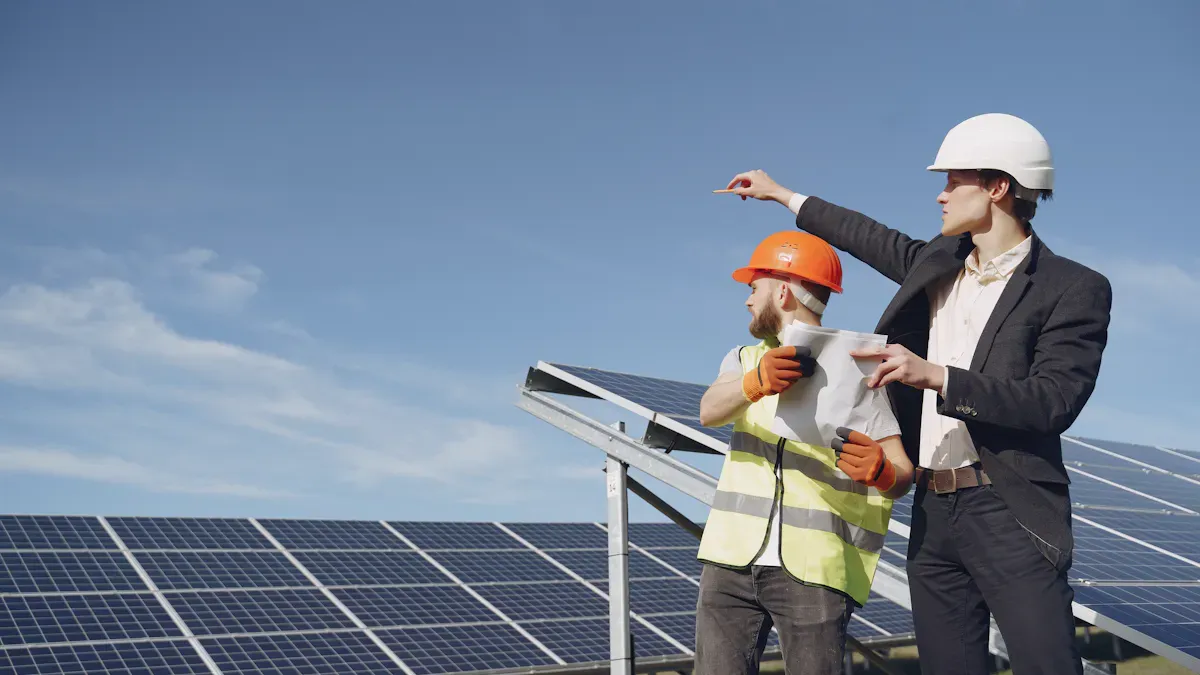
Choosing the right spot for your solar panel ground mount sets the stage for a powerful and reliable system. Let’s break down what you need to consider before you start building.
Sunlight and Location
You want your panels to soak up as much sun as possible. Here’s a quick table to help you spot the best location:
Check your property for open, sunny areas. Avoid spots with shade from trees or buildings.
The best tilt angle usually matches your latitude. Adjusting the tilt can boost your energy by 5-10%.
Panels facing true south (in the Northern Hemisphere) get the most sun. Southeast or southwest works too.
Tip: Use a tool like Solar Pathfinder™ to check for shading and find the sunniest spot.
If you want a flexible setup, consider a Solar Panel Mounting Aluminum Bracket System for easy angle adjustments.
System Size and Layout
Make sure you have at least 350 square feet of open space for your solar ground mount system.
Avoid common mistakes like poor layout or not checking for future shade.
Plan your rows so each panel gets full sun all day.
Use software or apps to simulate shading and test different layouts.
Note: A good solar ground mount system lets you expand later if you want more power.
Permits and Codes
Before you start digging, check your local rules. Here’s a quick look at what you might need:
Permit costs usually range from $150 to $400.
Expect a few inspections during your project.
Tip: Always follow codes for solar panel ground mounting systems to keep your setup safe and legal.
2. Materials and Tools
You want your solar panel ground mount to last for years. The right materials and tools make all the difference. Here’s what you need to know before you start building.
Unistrut and PT Wood
You can choose between Unistrut (metal) and pressure-treated (PT) wood for your frame. Both work well for ground mounting, but each has its own lifespan.
Unistrut gives you more durability and less maintenance. PT wood costs less and works well if you want a natural look. Pick the one that fits your budget and style.
Fasteners and Hardware
You need strong fasteners to keep your solar ground mount system safe. Here’s what works best:
High-grade 6005-T5 aluminum is light, strong, and resists rust.
SUS304 stainless steel fasteners last a long time, even in bad weather.
Anodized aluminum rails give extra strength and protection.
DIN7504 self-drilling screws and stainless steel bolts are industry standards.
A good supplier will make sure your fasteners meet all safety rules. This keeps your solar panel ground mounting systems strong for years.
Screw Anchor For Ground
A Screw Anchor For Ground holds your frame steady. It works in many soil types and makes installation easy. Check out the load-bearing power:
You can use a Screw Anchor For Ground for almost any ground mount solar project. It gives you a solid base and saves time compared to concrete.
Tools Checklist
Here’s a quick list of tools you’ll need:
Post hole digger or auger
Concrete mix or ground screws
Wrenches and sockets
Level
You can build a Solar Panel Mounting Aluminum Bracket System with these tools. Foundation costs can be 15-25% of your total project, so plan your budget before you start.
Tip: A Screw Anchor For Ground makes your job faster and easier, especially if you want to avoid heavy concrete work.
3. Construction Steps
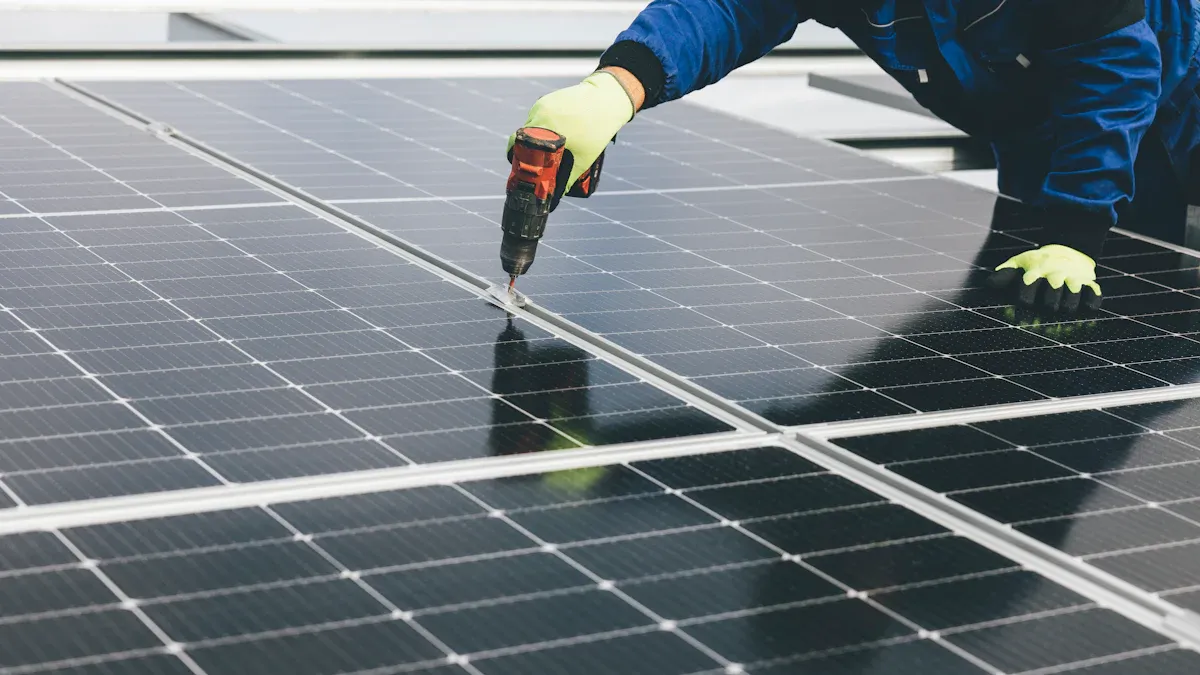
Site Preparation
You want a stable and level spot for your solar ground mount system. Here’s how you can get your site ready:
Pick the right foundation for your soil and climate.
Make sure your foundation goes below the frost line. This helps prevent frost heave.
Check local rules about how close you can build to property lines or buildings.
A Screw Anchor For Ground works well for most soil types and makes this step easier.
Foundation Options
You have a few choices for your foundation. Many people use a Screw Anchor For Ground because it is fast and strong. You can also use concrete footings if your soil is rocky or very loose. Always make sure your foundation is deep enough to stay stable in all weather.
Frame Assembly
Building your frame is a big step. You want it strong and easy to maintain. Check out these tips:
A Screw Anchor For Ground can make your frame assembly go faster, especially if you use a pre-made kit.
Panel Alignment
Getting your panels lined up right makes a big difference. Here’s why:
Good alignment helps your panels catch more sun all day and all year.
Ground mounting lets you set the best tilt and direction.
Adjustable mounts let you follow the sun for even more power.
Take your time with this step. A little extra care now means more energy later.
Wiring and Grounding
Wiring and grounding keep your system safe. Here’s what you should do:
Plan your grounding based on your layout and soil.
Use copper or galvanized steel ground rods.
Keep ground wires short and tight. Aim for resistance under 5 ohms.
Connect all metal parts to the earth ground.
Check ground wires often to make sure they stay secure.
You should always follow electrical safety rules. A well-grounded system is safer and less likely to have problems.
4. Optimization and Stability
Adjustable Angles and Hinges
You want your solar panels to work their best all year. Adjustable angles and hinges make this easy. With these features, you can:
Boost your energy capture by up to 25% in winter.
Change the tilt between 5 to 15 degrees for better sunlight.
Increase your total energy by up to 20% just by adjusting twice a year.
Use rust-resistant parts that last through any weather.
A Solar Panel Mounting Aluminum Bracket System with adjustable angles lets you fine-tune your setup for every season. You do not need to climb on your roof—just adjust from the ground for safety and convenience.
Steel Cable and Turnbuckles
Steel cables and turnbuckles give your solar ground mount system extra strength. You can tighten these parts to keep your frame steady, even in strong winds. The cables form strong shapes that stop your mount from bending or shifting. This means your panels stay safe and secure, no matter the weather.
Drainage and Support Rafters
Drainage is the unsung hero of foundation longevity. Water sitting around foundations causes soil erosion, frost heave, and rust on steel components. Smart drainage design with gravel backfill keeps water moving away from your investment.
Support rafters also help your solar panel ground mounting systems stay strong. They spread the weight and keep everything level, even after heavy rain.
Cable Management
Good cable management keeps your ground mount solar safe and tidy. Try these tips:
Bury cables 12 to 18 inches deep to avoid tripping.
Place warning tape above buried lines for safety.
Use UV-resistant ties and clamps to hold above-ground wires.
Smart cable management stops damage and keeps your system running smoothly. Products like Solar Snake Max and the 407 Series help protect your cables from weather and movement. In cold places, an ice guard can stop ice from building up and keep people safe.
5. Safety and Maintenance
Keeping your solar panel ground mount safe and working well is easier than you think. Here’s how you can protect your system and get the most out of your investment.
Installation Safety
You want to stay safe during installation. Here are the main risks and how you can avoid them:
Install smoke detectors near your solar energy system.
Keep fire extinguishers handy and check them often.
Always check for live wires before you start work.
Tip: Cover your panels with opaque material when you are not using them. This stops accidental shocks.
Use lockout/tagout steps to keep equipment safe.
Stay away from live utilities.
Get proper training before you start.
Routine Inspection
Regular checks help your system last longer and work better. Here’s what you should do:
Look at your solar panels, inverters, and mounting system for any problems.
Check all wiring connections for loose or damaged parts.
Clean your panels to remove dirt and dust.
Inspect hardware for rust, loose bolts, or damage.
Make sure the frame and mounting system stay strong and rust-free.
Note: Do a basic check twice a year. Get a professional to do a full inspection once a year.
Troubleshooting
Sometimes, things go wrong. Here’s a quick guide to common issues and what you can do:
If you spot a problem, fix it right away. Quick action keeps your solar panel ground mount safe and running smoothly.
You can make a strong solar ground mount system if you follow some simple steps: First, pick a place that gets lots of sun and is flat. Check the local rules before you begin your project. Use good materials like galvanized steel so your system does not rust or move from frost. Look at your system often to catch problems early and stop big repairs. Always get the right permits and follow safety steps. If you plan well, your ground mount solar will give you clean energy for many years.
FAQ
How do you pick the best spot for your solar ground mount system?
You want a sunny, flat area with no shade. Check your yard for open space. Make sure your solar ground mount system faces south for the most sunlight.
Can you use a Solar Panel Mounting Aluminum Bracket System for ground mounting?
Yes! A Solar Panel Mounting Aluminum Bracket System works great for ground mounting. It lets you adjust angles easily and keeps your panels stable.
What tools do you need for installing solar panel ground mounting systems?
You need a post hole digger, wrenches, a level, and ground screws. These tools help you build solar panel ground mounting systems quickly and safely.
How often should you check your ground mount solar setup?
Check your ground mount solar twice a year. Look for loose bolts, dirt on panels, and damaged wires. Clean and fix anything you find.
What makes ground mounting better than roof mounting?
Ground mounting gives you easy access. You can adjust your panels for more sunlight. You also avoid roof repairs. Plus, you can expand your system later.
