
You want your Solar Roof Mounting Systems to last many years. But tough weather can make them break early. Industry reports show some common problems:
Different tilt angles can make shadows. This lowers energy output.
Weak structures often break when winds are strong.
Not tightening parts right can cause damage over time.
You face risks like corrosion, misalignment, and bad weather. Picking strong materials and smart designs helps you stop these problems. This protects your investment.
Key Takeaways
Solar Roof Mounting Systems can break early from rust and weak parts. Mistakes during installation also cause problems. Checking them often stops expensive repairs.
Pick aluminum alloy brackets for your solar panels. They fight rust and stay strong in bad weather. They last longer than other materials.
Make sure the installation is done right. This stops leaks and damage. Even small errors can cause big trouble for your roof and panels.
Buy strong mounting systems like Angels’ products. They give good support and keep your energy working well for years.
Doing regular maintenance and checks helps your solar system last longer. Fixing small problems early saves money later.
1. Corrosion in Solar Roof Mounting Systems
Effects of Humid and Saline Environments
It is hard to keep Solar Roof Mounting Systems safe near the ocean or in wet places. Water and salt in the air make metal parts rust faster. Bolts, frames, and supports get weaker as time passes. When stainless steel and aluminum alloy touch with water, a reaction starts. Stainless steel stays strong, but aluminum rusts more quickly. This can make your system move or even fall down. Rusty mounts change the panel angle. The panels get less sunlight, so they make less energy. You will need to fix or swap parts more often, which costs more money.
Tip: Look for rust or corrosion after storms or lots of rain. Fixing problems early stops bigger trouble later.
Water, salt, and electric charges build up slowly.
Salt spray and wet air make problems worse over time.
The way your system is built decides how much stress it can take.
Aluminum frames are good for wet and salty places. They can last over 25 years and do not need much care.
Material Choices and Corrosion Resistance
Picking the right material is very important. Here is a simple chart:
| Material | Corrosion Resistance | Failure Rate Comparison |
|---|---|---|
| Aluminum | High in dry; good in saline | Low failure rate in urban areas |
| Galvanized Steel | Needs maintenance in humid/saline | Needs re-coating every 5-7 years in coastal areas |
| Stainless Steel | Excellent in marine environments | 10-15% longer lifespan than galvanized steel |
| Powder-Coated Steel | Good, but coating wears off | 15% better resistance than regular steel |
| Composite Materials | Corrosion-free, lightweight | Limited strength compared to metals |
Good aluminum brackets get a special treatment called anodic oxidation. This makes a shield that stops rust. Aluminum also makes its own thin layer to fight rust. Steel brackets need a hot-dip coating, but they still rust in tough places. Aluminum mounting systems work well outside for over 20 years. They do better than regular steel supports.
If you want more safety, try Photovoltaic Roof Tiles. These tiles use new materials that do not rust and last longer.
Solar Roof Mounting Systems with aluminum brackets work well near the sea. They stay strong and look good for many years. You spend less on repairs and get steady energy.
2. Design Flaws and Weather Loads
Structural Weaknesses in Mounting Systems
You need strong Solar Roof Mounting Systems to keep your panels safe. Weak designs can cause big problems when the weather gets rough. If the system does not use enough roof attachments or the clamps are not tight, the panels can come loose. This happens most often during storms or heavy winds. Snow can also cause trouble. On low-slope roofs, snow piles up and puts extra weight on the system. Over time, this can make the roof sag or even crack.
Here is a table that shows common failures:
| Type of Failure | Description |
|---|---|
| Wind-related failures | Mounting systems detach from roofs due to loose clamps or not enough anchors |
| Snow-related failures | Roofs sag or rafters crack under heavy snow, especially on flat roofs |
| Uplift forces | Corners and edges face strong wind, which can lift the whole solar array |
If you want to avoid these problems, you should choose roof mount solar racking that uses smart engineering and strong materials.
Impact of Extreme Wind and Snow
You must think about local weather when you pick a mounting system. Some places get strong winds or lots of snow. Good systems use special features to fight these forces. For example, solar panels often need to handle wind speeds up to 140 mph. In Florida, rules say they must survive even stronger winds—up to 160 mph. You can use double lag bolt L-brackets, triple-rail supports, and locking fasteners to keep everything tight and safe.
Here are some important standards and tips:
Make sure your system meets ASCE 7-16 and SEAOC PV-2 2017 standards.
Use double lag bolt L-brackets for strong roof attachments.
Add triple-rail supports for each row of panels.
Choose locking fasteners that stop wind from shaking the system loose.
You protect your investment when you use a system built for your weather. Smart design keeps your panels working, even in the toughest storms.
3. Installation Errors
Risks of Improper Installation
You need to be careful when you install the system. Small mistakes can cause big trouble for your roof and solar panels. If you leave heavy things on the roof, it can wear out fast. Walking a lot on the roof can break shingles or tiles. Drilling holes in the wrong spots lets water leak inside your house. Flashings and conduits must go in the right place, especially near roof valleys. If you skip these steps, you might get water damage and pay a lot for repairs.
Tip: Check for leaks after storms. Finding leaks early saves you from bigger problems.
Here are some common mistakes people make:
Roof gets worn out from rough handling of materials.
Water leaks happen if flashings and conduits are not put in right.
Roof attachments that are missing or in the wrong spot make weak connections.
Wires that are not managed well can get scraped or even catch fire.
You should avoid these mistakes to keep your system safe.
Consequences for Roof and Panels
If you make mistakes during installation, you can get leaks, roof damage, and weak panels. Bad sealing or wrong mounts let water in and cause wood to rot. If you do not find rafters, the system is weak and can break. Tightening bolts too much can crush the roof. Not tightening enough leaves the system loose. Using the wrong parts or cheap parts makes weak spots.
| Installation Error | Consequence |
|---|---|
| Improper Attachment and Sealing | Causes leaks and water damage. |
| Incorrectly Locating Rafters | Makes the system weak and easy to break. |
| Improper Flashing Installation | Makes leaks more likely because water does not flow away. |
| Over-tightening or Under-tightening | Can crush the roof or make the system loose, both cause damage. |
| Using Mismatched or Low-Quality Parts | Makes weak spots that can fail. |
| Poor Wire Management | Bare wires can lose power, get scraped, or start fires. |
| Neglecting Thermal Expansion | Can make mounts and panels bend or break. |
| Skipping Final Inspection | Missed problems can cause big leaks and expensive repairs later. |
Bad installation means your panels do not work as well. The PID effect can cut your solar power by half. If you do not check the site or design the system right, your panels may not get enough sun. You lose energy and money.
A good mounting system, like Angels Solar Roof Mount Kit Mounting Systems and solar panel roof brackets, helps you avoid these problems. You get strong mounts, good sealing, and safe wires. Your roof and panels stay safe for many years.
4. Advantages of Angels’ Aluminum Alloy Brackets
Strength-to-Weight Ratio
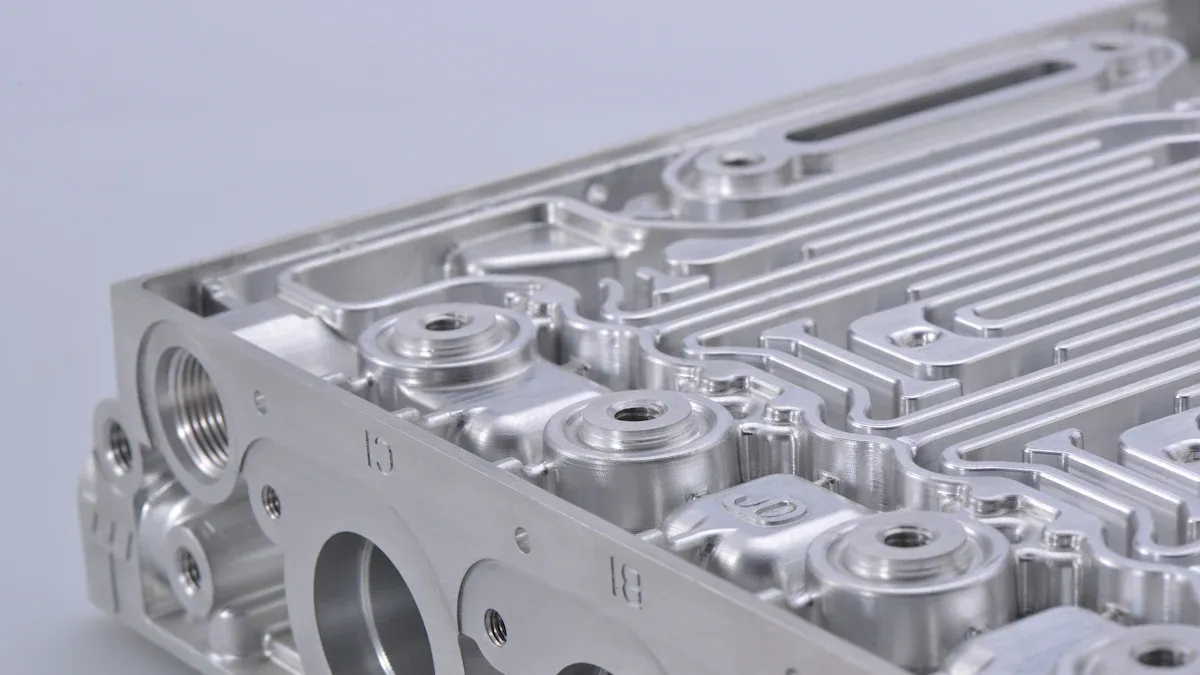
You want your solar panels to stay safe in all weather. Angels’ aluminum alloy brackets give you strong support without adding extra weight to your roof. These brackets use high-quality alloys like 6061-T6 and 6063-T5/T6. You get the best mix of strength and lightness. This means your roof does not carry too much load, but your panels stay secure even in storms.
Here is a table that shows how these alloys compare:
| Property | 6061-T6 | 6063-T5/T6 |
|---|---|---|
| Tensile Strength (psi) | 42,000 | 25,000 |
| Yield Strength (psi) | 35,000 | 25,000 |
| Corrosion Resistance | Good | Good |
| Formability | Fair | Excellent |
| Weldability | Excellent | Excellent |
| Finish Quality | Good | Excellent |
| Typical Use | Structural, load-bearing, industrial | Architectural, decorative, trim |
You get brackets that are light but strong. These alloys are used in aircraft and cars, so you know they can handle tough jobs. The brackets also have great weldability and finish quality.
Long-Term Durability
You want your Solar Roof Mounting Systems to last for decades. Angels’ aluminum alloy brackets resist rust and mechanical stress. They work well in wet, salty, or snowy places. The material keeps its strength for many years. You do not need to worry about the brackets breaking or corroding.
The brackets use 6061 alloy, which is trusted in marine and aerospace jobs.
They keep their strength and shape, even with less than 0.1mm of corrosion each year.
You get a 10-year warranty, which is double the industry standard.
| Product | Warranty Term | Industry Standard |
|---|---|---|
| Angels’ Aluminum Brackets | 10 years | 5 years |
You do not need to do much maintenance. Just check the fasteners and seals once a year. If you fix small problems early, your system will last 25 to 30 years with little extra work.
Note: Using quality brackets lowers the risk of panel damage, roof leaks, and system failure. You protect your investment and enjoy steady solar power for a long time.
5. Proven Durability in Real-World Conditions
Performance in Extreme Weather
You want your solar panels to last through tough weather. Many people have seen Angels’ aluminum alloy brackets stay strong in blizzards and hurricanes. Here are some real-life stories:
In northern states, snow piles up on roofs. Homeowners using Angels Solar Roof Mount Kit Mounting Systems say their brackets stayed safe after big snowfalls.
In coastal cities, strong winds and salty air test the system. Installers in Florida report that roof mount solar racking with Angels’ brackets did not move or rust after hurricanes.
In mountain areas, storms bring wind and ice. Users of solar panel roof brackets share their panels stayed put while others’ systems broke.
These brackets work well in many places. They keep your panels safe from wind, snow, and salt.
Customer Satisfaction and Longevity
You want your solar system to last a long time. Most Solar Roof Mounting Systems with Angels’ aluminum alloy brackets last 20 to 30 years. This is about as long as most solar panels last. You do not need to change brackets before your panels wear out.
Here is what customers say:
“After ten years, my Photovoltaic Roof Tiles still look new. The brackets have no rust.”
“We had a big storm last winter. The Solar Roof Fixing Mounting stayed tight. No leaks or damage.”
You feel good knowing your system lasts. You save money on repairs and get steady power for many years.
| Feature | Angels’ Aluminum Alloy Brackets | Standard Steel Brackets |
|---|---|---|
| Lifespan (years) | 20–30 | 10–15 |
| Corrosion Resistance | Excellent | Moderate |
| Survives Extreme Weather | Yes | Sometimes |
| Customer Satisfaction | High | Average |
You can count on Angels’ brackets to protect your solar panels year after year.
Solar Roof Mounting Systems can break early from rust, weak parts, or mistakes when putting them in.
Angels’ aluminum alloy brackets fix these problems. They give strong support that lasts in wind and snow.
You keep your solar panels safe when you pick good products like Angels Solar Roof Mount Kit Mounting Systems, Photovoltaic Roof Tiles, Solar Roof Fixing Mounting , roof mount solar racking, and solar panel roof brackets.
Tip: Buy strong mounting systems for steady energy and less fixing.
FAQ
What makes Angels Solar Roof Mount Kit Mounting Systems last longer?
You get strong brackets made from aluminum alloy. These brackets resist rust and heavy weather. You protect your panels for decades. Angels Solar Roof Mount Kit Mounting Systems use smart engineering.
Can Photovoltaic Roof Tiles handle salty air?
Yes. You choose Photovoltaic Roof Tiles for coastal homes. These tiles resist corrosion and keep working in salty air. You spend less on repairs.
How do solar panel roof brackets prevent leaks?
You install solar panel roof brackets with tight seals. These brackets stop water from getting inside. You keep your roof dry and safe.
Will roof mount solar racking survive heavy snow?
You pick roof mount solar racking with strong supports. These racks hold panels steady during snowstorms. You avoid roof damage and panel movement.
Why should you use Solar Roof Fixing Mounting?
You use Solar Roof Fixing Mounting for secure panel placement. These mounts keep panels tight in wind and rain. You get steady power and fewer repairs.
