
You want to pick the best Solar Mounting System for your roof, but it can feel overwhelming. Start by checking your roof’s condition, space, and your energy needs. Many homeowners make mistakes, like skipping a roof check, picking the wrong system, or ignoring local rules. Here are some common errors to avoid:
Not assessing your roof or ground first
Choosing the wrong mounting type
Guessing the system size
Forgetting to check roof condition
Trying DIY without proper knowledge
Missing permit requirements
Take your time, focus on system longevity, and match your choice to your roof’s needs. You’ve got this!
Key Takeaways
Check your roof’s shape and condition before you pick a solar mounting system. This helps make sure it fits and lasts a long time.
Do not skip checking your roof or forget about local rules. These mistakes can cause big problems and cost a lot later.
Pick a mounting system that works with your roof type. Roofs can be asphalt, metal, tile, or flat. Each one needs something different.
Think about how much weight your roof can hold. Make sure it can handle the solar panels and mounting system. This stops damage from happening.
Learn about the different mounting systems. There are roof-mounted, ground-mounted, and ballasted systems. Each one has good and bad points.
Look at your local building codes and get the right permits. This keeps your solar project safe and legal.
Take care of your solar panels often. Clean them and check the hardware. This helps them work well and last longer.
Talk to solar experts before you decide. Their advice can help you avoid mistakes and pick the best system.
1. Roof Type & Requirements
Before you pick a Solar Mounting System, you need to know your roof. Every roof is different. Some materials need special care. Some roofs hold more weight than others. Let’s break it down so you can make the right choice.
Common Roof Types
Most homes in the U.S. have one of these roof types:
About 75 to 80 percent of homes use asphalt shingle roofs.
Metal roofs are becoming more popular, growing from 12 percent in 2019 to 17 percent in 2021.
Asphalt Shingle
You probably have an asphalt shingle roof. These roofs work well with most Solar Mounting System options. Installers use flashing to keep water out. Shingles are sturdy, but you should check for any damage before starting.
Metal
Metal roofs come in two main styles: standing seam and corrugated. Standing seam roofs make installation easy. Installers use clamps that do not need holes, so your roof stays strong. Corrugated metal needs special brackets and sealants to prevent leaks.
Tile
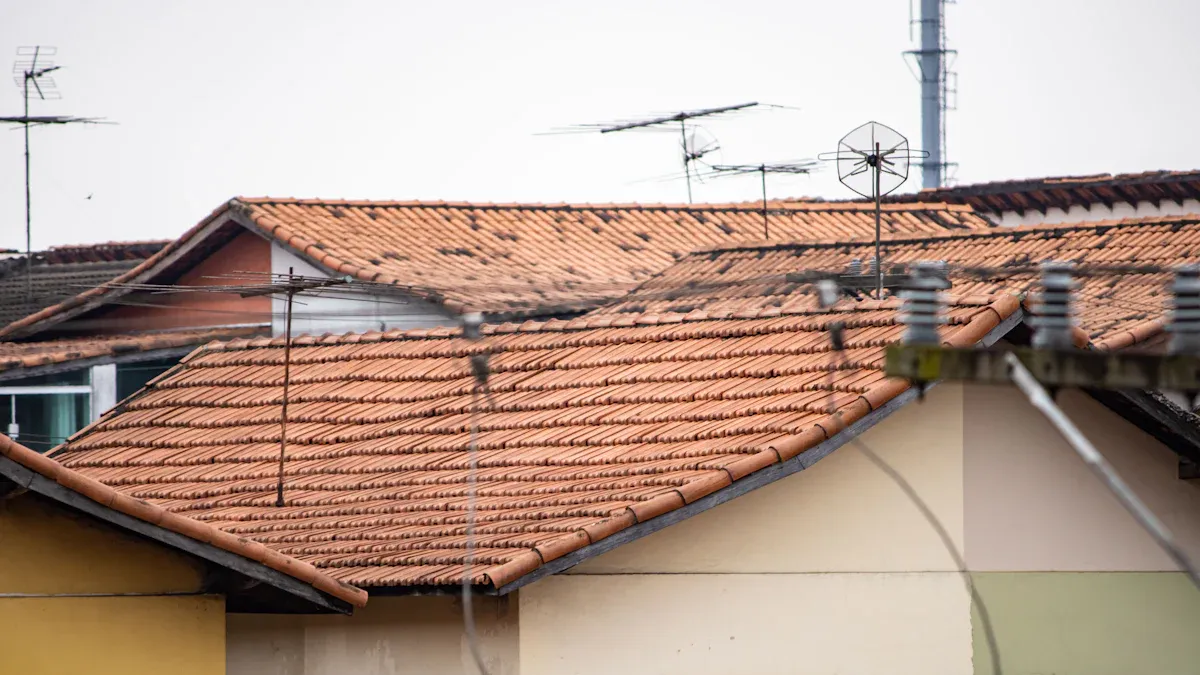
Tile roofs look great but need extra care. Tiles can break if you step on them. Installers use special hooks or cutouts to fit the Solar Mounting System. You want a pro for this job to avoid leaks or damage.
Flat
Flat roofs use materials like membrane, tar, or concrete. Ballasted systems work well here. These systems use weight to hold panels down. You must check if your roof can handle the extra load. Wind can also be a problem, so make sure the system is secure.
Tip: Always match your mounting system to your roof type. The wrong choice can cause leaks or damage.
Here’s a quick guide to help you see which mounting systems fit your roof:
Structural Considerations
You want your Solar Mounting System to last. Your roof must be ready for it. Here’s what you need to check:
Roof Age
How old is your roof? If your roof is near the end of its life, replace it before adding solar. You do not want to remove panels for a new roof later.
Load Capacity
Your roof must hold the weight of the Solar Mounting System and panels. Most roofs need a live load capacity of at least 20 pounds per square foot. This is on top of the weight of your roofing materials. If you live where it snows a lot, you may need even more strength.
Pitch & Orientation
The angle and direction of your roof matter. South-facing roofs get the most sun. Steeper roofs may need special mounting hardware. Flat roofs need systems that tilt panels for better sunlight.
Checklist for Roof Readiness:
Get a pro to check your roof’s framing and load capacity.
Pick a mounting system that matches your roof’s strength.
If needed, reinforce your roof before installing solar.
Taking these steps helps you avoid problems later. You get a Solar Mounting System that fits your roof and lasts for years.
2. Solar Mounting System Options
When you start looking at Solar Mounting System options, you’ll see there are a few main types. Each one works best for certain homes and properties. Let’s break them down so you can find the right fit.
Roof-Mounted Systems
These systems attach directly to your roof. They save space and often cost less to install. You’ll see two main styles:
Rail-Based
Rail-based systems use long metal rails that run across your roof. Installers attach the rails to your roof structure, then mount the solar panels on top. This style works well for most roof types, especially asphalt shingle and metal roofs. You get a sturdy setup that spreads the weight evenly. If you want a system that lasts, rail-based options often come with warranties up to 25 years. Just remember, you need a roof in good shape before you start.
Direct Attached
Direct attached systems skip the rails. Instead, installers fasten each solar panel straight to the roof with special brackets. This method can look cleaner and use fewer materials. It works best for metal roofs with standing seams. You avoid drilling holes, which helps prevent leaks. Direct attached systems can also last 20 to 25 years, depending on the hardware.
Ground-Mounted Systems
If you have extra yard space, ground-mounted systems might be your best bet. These setups don’t depend on your roof at all.
Standard Ground
Standard ground mounts use metal frames anchored into the ground. You can place them anywhere with good sunlight. This gives you more control over the angle and direction of your panels. Maintenance is easier because you can reach the panels without climbing. These systems often last 25 years or more, just like roof-mounted options.
Pole Mount
Pole mounts use a single sturdy pole to hold up a group of panels. You can tilt or rotate the panels to follow the sun. This style works well if you want to maximize energy production. Pole mounts need strong foundations and open space. They also offer long lifespans, usually 20 to 25 years.
Ballasted Systems
Ballasted systems sit on flat roofs. They don’t need to be bolted down, so you avoid making holes in your roof.
Flat Roof Ballasted
Flat roof ballasted systems use heavy weights to keep the panels in place. This makes installation quick and easy. You need to check that your roof can handle the extra weight. These systems are easy to remove or move if needed. Lifespans range from 20 to 25 years, depending on the materials.
Tip: Always check your roof’s load capacity before choosing a ballasted Solar Mounting System.
Here’s a quick table to help you compare the main types:
No matter which Solar Mounting System you choose, most come with warranties from 5 to 25 years. The right system will last decades if you pick one that matches your property and needs.
Specialty Systems
Some homes and buildings need something a little different. Specialty systems give you more control or a unique look. Here are two options you might consider:
Adjustable Tilt
Do you want to get the most sunlight all year? Adjustable tilt systems let you change the angle of your solar panels. You can move them by hand or use a motor. This helps you catch more sun in winter and summer. These systems work well on flat roofs or ground mounts. You might see them on commercial buildings or in places with big seasonal changes. Adjustable tilt systems can boost your energy production, but they cost more and need a bit more care. If you like to tinker or want top performance, this could be a good fit.
Building-Integrated
Building-integrated systems blend right into your roof or walls. You might see solar shingles or panels that look like regular roofing. These systems keep your home looking sharp. They work best if you are building a new house or replacing your roof. Building-integrated options cost more up front, but you get a clean look and save space. You also protect your roof from weather. If you care about style and want your solar to disappear into your home, this is the way to go.
Pros & Cons
Every Solar Mounting System has its strengths and weaknesses. Let’s break it down so you can see what fits your needs.
Pros:
You can pick a system that matches your roof, yard, or style.
Most systems last 25 to 30 years with minimal upkeep.
Some options, like ground mounts, give you easy access for cleaning.
Building-integrated systems look great and save space.
Cons:
Some systems, like adjustable tilt or building-integrated, cost more.
Ballasted systems add weight, so you must check your roof’s strength.
Direct attached systems may need special hardware for certain roofs.
Tip: Always check your roof’s load capacity and local rules before you choose.
Here’s a quick look at installation costs for different systems:
Maintenance is simple for most systems. You just need to check for loose parts after storms and keep the area clear of debris. Here’s a quick guide:
Choosing the right Solar Mounting System means thinking about your roof, your budget, and how much work you want to do. Take your time, compare your options, and you’ll find the best fit for your home.
3. Key Factors to Consider
Compatibility
You want your solar roof mounting system to fit your home like a glove. Not every system works for every roof. Start by checking your roof type, age, and structure. Some systems work best on asphalt shingles, while others fit metal or tile roofs. If you have a flat roof, you might need a ballasted system. For pitched roofs, rail-based or direct attached systems usually work best.
Ask yourself:
Does your roof have enough space for the panels?
Is your roof strong enough to hold the system?
Does your roof face the right direction for sunlight?
If you have a unique roof shape or older materials, talk to a solar pro. They can help you find a system that matches your needs. Always make sure your solar roof mounting system is compatible with your roof and your energy goals.
Tip: A good fit means fewer problems and better performance for years.
Cost & Budget
Solar roof mounting systems come in many price ranges. Your total cost depends on several things. Here’s a quick table to help you see what affects your budget:
Other things can add to your costs:
Permitting and inspection fees
Interconnection fees with your utility
Possible grid upgrades for larger systems
The place where you install your system matters, too. Rocky or uneven ground can make ground-mount systems more expensive. If your roof has lots of shade, you might need to trim trees or adjust your design, which can add to the price. Extreme weather? You’ll need stronger mounting hardware.
Note: Plan your budget with a little extra for surprises. Solar roof mounting systems are an investment, but they pay off over time.
Durability
You want your solar roof mounting system to last as long as your panels—usually 25 to 30 years. The materials and design make a big difference. Systems made from high-strength steel, like Nordic steel, resist rust better than standard aluminum. Some systems from places with harsh weather, like Finland, are built to handle snow, wind, and rain. Smart design tools help match the system to your local climate, making it last longer.
Look for:
Corrosion-resistant materials
Strong hardware for your weather
Warranties that cover at least 20 years
A durable solar roof mounting system means less worry and fewer repairs. You get peace of mind and steady energy for decades.
Callout: Choose quality materials and a trusted installer. Your system will stand strong for years, no matter the weather.
Climate & Weather
You want your solar roof mounting systems to handle all weather. Climate and weather can change how well your system works. They also affect how long it lasts. Here is what you should know:
Sunlight Hours: Your system makes more power in summer. Winter days are shorter, so you get less energy.
Temperature: Solar panels work best when it is not too hot or cold. If it gets very hot, they may not work as well. Most systems still handle heat just fine.
Extreme Heat: You do not need to worry about your panels melting. They can take very high heat, up to 200°F.
Wind Resistance: Strong winds can be tough on your system. Most solar roof mounting systems can handle winds up to 140 mph.
Tip: If you live where there is lots of snow, wind, or heat, pick solar roof mounting systems made for those places. Ask your installer about weather ratings for your area.
Codes & Permits
You must follow local rules when you put in solar roof mounting systems. Building codes and permits help keep your home safe and your system legal. Here is what you will need to know:
Building Permits: You need approval to make sure your roof can hold the extra weight.
Zoning Permits: Check your local laws, especially if your home is in a historic area.
Electrical Permits: Your system must meet safety rules before you turn it on.
Clear Pathways: Leave space for firefighters to reach your roof. Most places want a 3-foot path.
Module Placement: Do not block things like skylights or dormers with your panels.
Note: Permits protect you and your money. They make sure your solar roof mounting systems are safe and follow the law.
Aesthetics
You want your solar roof mounting systems to look nice, not just work well. Many people care about how their house looks from the street. Here are some ways to keep your system looking good:
Pick low-profile or rail-less mounting systems. These keep panels close to the roof and harder to see.
Choose all-black or frameless panels. They blend in with your roof and look smooth.
Place panels so they do not cover things like chimneys or skylights.
Hide wires when you can. This keeps your roof neat and safe.
Now, many companies make solar roof mounting systems that look sleek and modern. These options help your panels sit almost flat with your roof.
Match your mounting system to your home’s style.
Think about your roof’s material and tilt when you choose a system.
Keep wires hidden for a clean look.
Callout: A nice-looking solar roof mounting system can make your home worth more and keep your neighbors happy.
Maintenance
You want your solar roof mounting systems to work well for years. Good news—keeping them in top shape is easier than you might think. Most systems need only simple care, but regular checks help you catch small problems before they turn into big headaches.
Here’s what you should do to keep your solar roof mounting systems running smoothly:
Clean your panels: Dust, leaves, and bird droppings can block sunlight. Use a soft brush or a gentle spray of water to clear off dirt. Clean panels mean more energy for your home.
Check the wiring: Look for frayed or exposed wires. Make sure all connections stay tight and free from corrosion. Secure any loose cables to prevent wear.
Inspect the mounting hardware: Bolts, brackets, and supports should stay tight and rust-free. If you spot any loose or missing parts, fix them right away.
Watch for signs of wear: Look for cracks, rust, or bent supports. Early signs of damage can lead to bigger problems if you ignore them.
Monitor system performance: Keep an eye on your energy production. If you notice a drop, check your panels and mounting system for issues.
Ensure inverter ventilation: Inverters need good airflow to stay cool. Clear away any debris or clutter around them.
Tip: Set a reminder to check your solar roof mounting systems every few months. After a big storm or heavy snowfall, give your system a quick look to make sure everything stays secure.
You don’t need special tools for most of these tasks. A ladder, a soft brush, and a careful eye do the trick. If you feel unsure about climbing on your roof, call a professional. Safety comes first.
Here’s a quick table to help you remember what to check:
Solar roof mounting systems are built to last, but a little care goes a long way. Regular maintenance keeps your system safe, efficient, and looking good. You protect your investment and enjoy clean energy for decades. If you ever spot something you can’t fix, don’t wait—call a solar expert for help.
4. Solar Mounting System Decision Guide
Roof Assessment
Start your journey by giving your roof a full checkup. You want to know if your home is ready for solar roof mounting systems. Here’s a simple step-by-step process:
Schedule a site visit. Walk around your home and look at your roof and the area around it.
Inspect the roof closely. Check for any damage, missing shingles, or obstacles like vents and chimneys.
Do a structural analysis. Make sure your roof can handle the weight of solar roof mounting systems and panels.
Calculate solar potential. Use sunlight data and your roof’s angle to see how much energy you can make.
Get a detailed report. Write down your findings and any recommendations for repairs or upgrades.
Tip: A thorough roof assessment helps you avoid surprises later. You want your solar roof mounting systems to last for decades.
Shortlist Systems
Now that you know your roof’s condition, you can start narrowing down your options. Not every solar roof mounting system will fit your home. Use these criteria to create your shortlist:
Structural integrity and load capacity: Pick systems that match your roof’s strength, especially if you live in a snowy or windy area.
Local building codes and regulations: Make sure your choices follow all local rules. This keeps your home safe and your project legal.
Aesthetics and system size: Think about how the system will look on your roof and if you have enough space for the panels.
Budget: Consider the cost of each system, including hardware and installation.
Note: If you feel unsure, ask a solar expert to help you pick the best solar roof mounting systems for your needs.
Compare Features
You have a shortlist. Now, compare the features of each solar roof mounting system. Look at what matters most for your home and goals. Here’s a handy table to help you:
Callout: Comparing features side by side helps you find the solar roof mounting system that fits your home, budget, and energy goals.
Take your time with each step. The right solar roof mounting system will give you clean energy and peace of mind for years.
Consult Experts
You have learned a lot about your roof. You made a list of solar roof mounting systems. Now, you should talk to experts. Picking the right contractor is important. It helps your solar project go well.
Here are things to check when you pick a solar installer:
Experience: Choose a contractor who has worked with solar roof mounting systems for many years. More years means fewer errors.
Leadership Team’s Experience: Ask about the company’s leaders. If they have been in solar for a long time, they know what works.
Licenses and Certifications: Make sure your contractor has the right licenses. Look for certifications like NABCEP. These show they understand solar roof mounting systems.
Legal Proceedings: Check if the contractor has any legal problems now or in the past. You want someone with a good record.
Compliance Violations: Ask if there have been any safety or code problems. You want your solar roof mounting systems to be safe and follow rules.
References and Performance Data: Ask for references from other customers. Request real data from past solar roof mounting systems.
Customer Reviews: Read reviews online and check the BBB score. Good reviews mean happy customers.
Sales Team Structure: Find out how the sales and installation teams work together. Good teamwork leads to better results.
Insurance Status: Make sure the contractor has insurance for accidents and workers. This keeps you and your home safe.
Local Expertise: Pick someone who knows your area. Local experts know the building codes and weather in your town.
Tip: Ask lots of questions. A good contractor will answer everything and help you feel sure about your solar roof mounting systems.
Final Choice
You talked to the experts. You compared your choices. Now, you are ready to pick your solar roof mounting systems. You need to look at a few important things.
Here is a checklist to help you choose:
Roof Material and Age: Your roof’s type and age can change which solar roof mounting systems work best.
Structural Integrity and Load Capacity: Make sure your roof can hold the panels and mounting hardware.
Local Building Codes and Regulations: Your system must follow local safety rules.
Aesthetics and System Size: Think about how the system looks and how much space you have.
Budget: Some solar roof mounting systems cost more. Pick one that fits your budget.
Callout: Take your time. The right solar roof mounting systems will give you clean energy and peace of mind for years.
After you check everything, trust your research and your expert’s advice. You are ready to enjoy solar roof mounting systems. Your home will be greener, and you will save money for many years.
5. FAQs & Common Concerns
Installation
You probably have a lot of questions before you install solar roof mounting systems. You’re not alone! Here are the most common questions people ask:
What is a solar panel system and how does it work?
Solar roof mounting systems hold your panels in place so they can collect sunlight and turn it into electricity for your home.What are the benefits of installing a solar system?
You save money on energy bills, help the environment, and may even boost your home’s value.What are the installation requirements?
Your roof needs to be strong enough to hold the panels and mounting hardware. You also need to follow local building codes and get permits.How much does solar panel installation cost?
The price depends on your roof type, the size of your solar roof mounting systems, and where you live. Most homeowners see a return on their investment over time.What maintenance is required for solar panels?
You should clean your panels a few times a year and check the mounting hardware for loose bolts or rust.What should you expect during the installation process?
Installers will inspect your roof, set up the solar roof mounting systems, and connect everything to your electrical system. The process usually takes a few days.How do you troubleshoot common solar panel issues?
If your system stops working, check for dirt on the panels, loose wires, or damaged mounting hardware. Call a pro if you see anything unusual.
Tip: Always ask your installer about your specific roof and local rules before you start.
Warranties
You want your solar roof mounting systems to last for years. Warranties help protect your investment. Here’s a quick look at what you can expect:
Most solar roof mounting systems come with a warranty for workmanship and material defects. This means if something breaks or wears out too soon, you’re covered. Always read the fine print and ask your installer what’s included.
Note: A good warranty gives you peace of mind and helps you avoid surprise costs.
Performance
You want your solar roof mounting systems to work well for a long time. The type of system you choose makes a big difference. Ground-mounted systems give you more flexibility and make maintenance easier. Roof-mounted systems depend on your roof’s strength and must handle weather like wind and snow. These differences affect how much energy your system can produce and how efficient it stays over the years.
If you want the best performance, pick solar roof mounting systems that match your roof and climate. Regular checks and cleaning help keep your system running strong. You’ll enjoy steady energy and savings for decades.
Callout: The right solar roof mounting systems can power your home for 25 years or more. Choose wisely and take care of your system for the best results.
Troubleshooting
You might run into a few bumps with your solar roof mounting systems. Don’t worry—most problems have simple fixes. Let’s look at the most common issues and what you can do about them.
Declining Solar Production
Sometimes your system makes less power than usual. Dirty panels, shade from trees, or old equipment can cause this. Try cleaning your panels with water and a soft brush. If you still see low numbers, call your solar company. They can check for wiring problems or equipment that needs replacing.Inverter Faults
The inverter changes sunlight into electricity for your home. If it stops working, your whole system can slow down or shut off. You might see warning lights or error messages. Don’t try to fix the inverter yourself. Call a professional for help. They know how to reset settings and replace broken parts.Communication Failures
Many solar roof mounting systems have monitors that track how much energy you make. If you can’t see your data, check the connections. Sometimes a loose wire or a weak internet signal causes the problem. If you still can’t get it working, reach out to customer support.Physical Damage
Storms, falling branches, or animals can break panels or wires. Look for cracks, bent frames, or chewed cables. If you spot damage, call a solar expert right away. Quick repairs keep your system safe and working well.Complete System Shutdowns
If your solar roof mounting systems stop working, you might have a big problem with the inverter or wiring. Don’t panic. Turn off the system and call a professional. They will check every part and get you back up and running.
Here’s a quick table to help you spot and fix problems:
Tip: Check your solar roof mounting systems after storms or heavy winds. Early action keeps your system strong.
If you ever feel unsure, don’t climb on your roof. Safety comes first. Most solar roof mounting systems work for years with little trouble. Regular checks and quick fixes help you enjoy clean energy without stress. If you need help, your solar company is just a call away. 😊
You now know how to pick solar roof mounting systems that match your home and energy needs. Here’s a simple checklist to help you:
Look at your roof’s type and how it is built.
See which mounting systems work for your roof.
Check if the materials are strong and if there are good warranties.
Think about wind, weather, and how tall your building is.
Ask experts for help so your system is safe and works well.
If you do these things, you won’t make common mistakes. You will have solar roof mounting systems that last a long time. Make your choice with confidence—your home and your money will benefit! 🌞
FAQ
How long do solar roof mounting systems last?
Most solar roof mounting systems last 25 to 30 years. You get strong materials and weather-resistant designs. Regular checks help your system stay safe and efficient for decades.
Do I need to replace my roof before installing solar roof mounting systems?
If your roof is old or damaged, you should replace it first. A new roof gives your solar roof mounting systems a solid base and helps avoid future repairs.
Can solar roof mounting systems handle strong winds and heavy snow?
Yes, most solar roof mounting systems are built for tough weather. You should pick systems rated for your local climate. Ask your installer about wind and snow ratings.
How much maintenance do solar roof mounting systems need?
You only need simple care. Clean panels a few times a year. Check for loose bolts or wires. After storms, inspect your solar roof mounting systems for damage.
Will solar roof mounting systems damage my roof?
No, when installed by professionals, solar roof mounting systems protect your roof. Installers use special hardware and sealants to prevent leaks and keep your roof safe.
What permits do I need for solar roof mounting systems?
You need building and electrical permits. Your installer will help with paperwork. Permits make sure your solar roof mounting systems follow local safety rules.
Can I install solar roof mounting systems myself?
You can try, but it’s risky. Professional installers know how to secure solar roof mounting systems safely. DIY mistakes can cause leaks or damage.
Do solar roof mounting systems work on all roof types?
Most solar roof mounting systems fit asphalt, metal, tile, and flat roofs. Some roofs need special hardware. Ask your installer which system matches your roof.
