
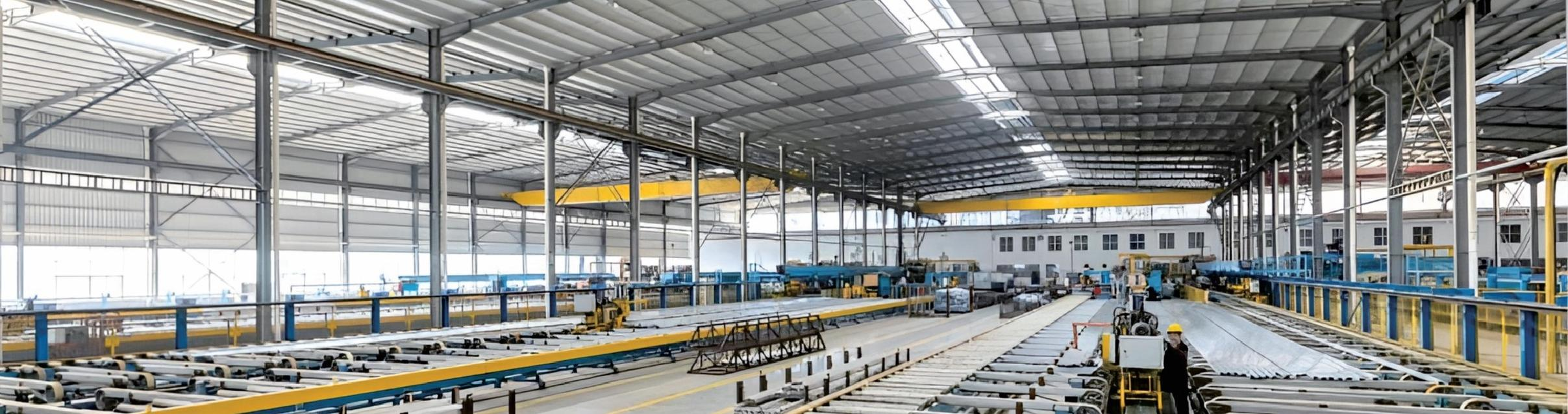
A Complete Guide from Angels Solar for Choosing the Right Solar Ground Foundation System
With the rapid growth of utility-scale solar projects, choosing the right foundation system has become a critical factor affecting installation efficiency, project cost, structural stability, and long-term operation safety.
For ground-mounted photovoltaic (PV) systems, two common foundation solutions are:
Solar spiral ground piles (helical piles / screw piles)
Concrete ground foundations
Both solutions can provide reliable support for solar mounting structures, but they have significant differences in installation method, construction period, environmental impact, adaptability, and total project cost.
As a professional solar mounting system manufacturer, Angels Solar provides customized solar ground mounting solutions designed according to different soil conditions, climate environments, and project requirements.
This article explains the advantages and disadvantages of solar spiral piles and concrete foundations to help EPC contractors, solar developers, and distributors make better procurement decisions.
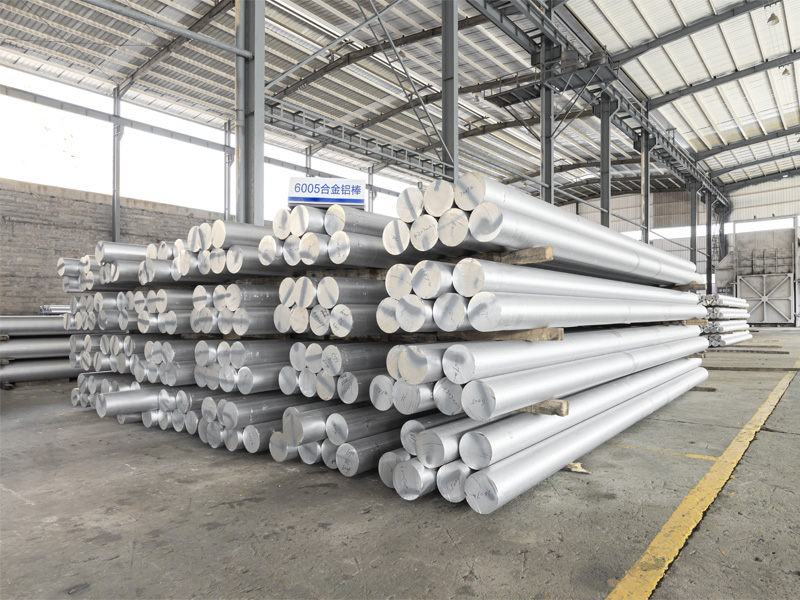
1. Product Definition: What Are Solar Spiral Ground Piles and Concrete Foundations?
What Are Solar Spiral Ground Piles?
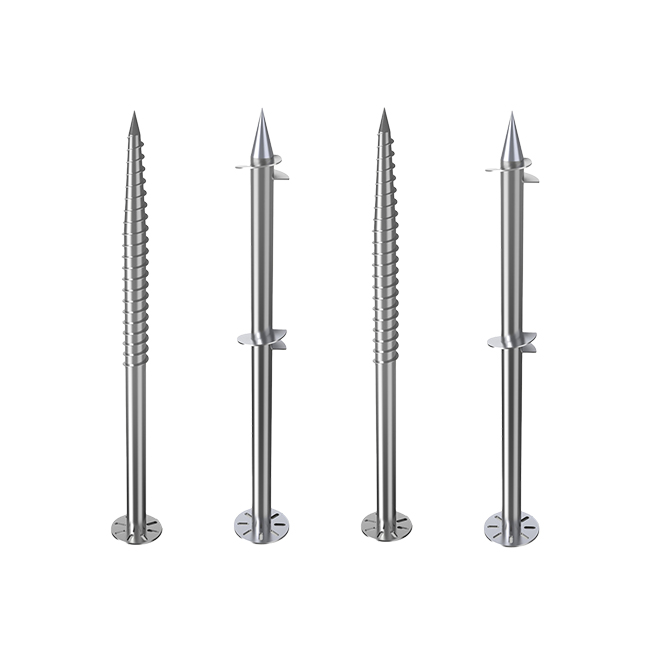
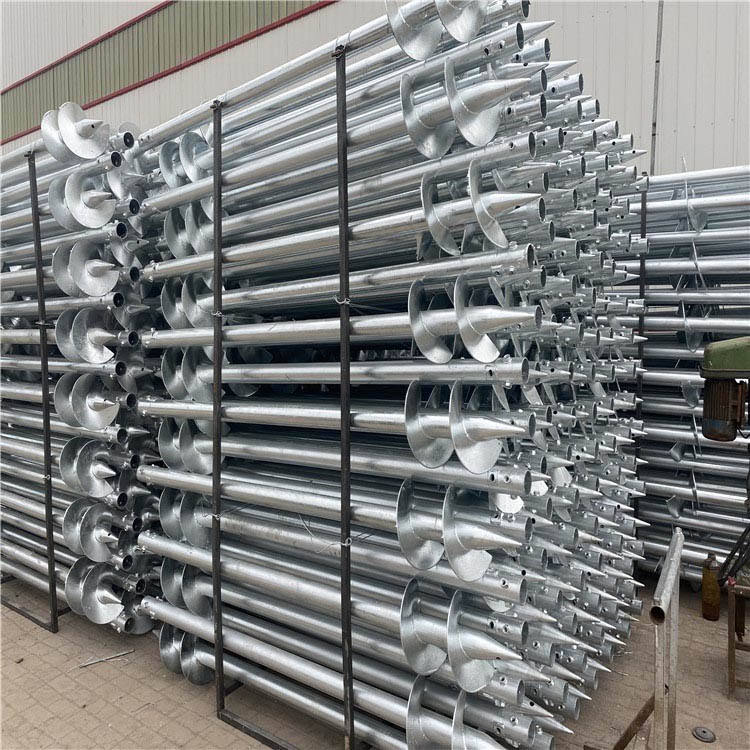
Solar spiral ground piles, also known as helical piles, screw piles, or ground screws, are metal foundation components installed directly into the soil through rotational driving.
A typical solar spiral pile consists of:
Hot-dip galvanized steel tube
Spiral blades
Connection flange
Mounting adapter
Fastening accessories
During installation, professional pile-driving equipment rotates the pile into the ground, creating a stable anchoring structure through soil friction and bearing capacity.
The main advantages include:
No concrete pouring required
Fast installation
Minimal ground disturbance
Easy removal and recycling
Suitable for various soil conditions
At Angels Solar, solar screw pile solutions are widely applied in commercial solar farms, agricultural PV projects, and remote-area photovoltaic installations.
What Are Concrete Solar Foundations?
Concrete foundations use reinforced concrete blocks or piles to support solar mounting structures.
The installation process normally includes:
Excavating foundation holes
Installing reinforcement steel
Pouring concrete
Waiting for curing
Installing solar mounting brackets
Concrete foundations have been widely used in traditional PV projects because of their strong compressive performance and mature construction process.
However, they usually require:
More construction time
More labor resources
Heavy transportation
Larger site preparation work
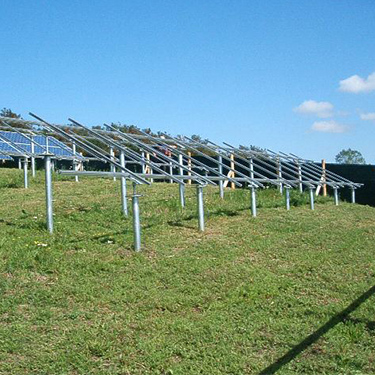
2. Application Scenarios: Where Are They Suitable?
Solar Spiral Ground Pile Applications
Solar screw piles are especially suitable for:
Utility-Scale Solar Farms
Large solar farms require thousands of foundation points. Fast installation directly affects project completion schedules.
Advantages:
Rapid pile installation
Reduced manpower requirements
Lower construction interference
Agricultural Solar Projects
Agrivoltaic projects require protecting farmland conditions.
Because screw piles require less excavation, they help:
Reduce soil damage
Maintain agricultural usability
Improve environmental compatibility
Mountain and Remote Solar Projects
In areas with difficult transportation conditions, spiral piles offer advantages because they reduce:
Concrete transportation requirements
Water consumption
Construction equipment needs
Concrete Foundation Applications
Concrete foundations are commonly used in:
Flat Open Areas
Where land preparation is simple and construction resources are easily available.
Projects Requiring Extremely High Load Capacity
For some large structures with special engineering requirements, reinforced concrete foundations may provide additional weight and stability.
Rocky or Special Geological Conditions
Depending on geological surveys, concrete solutions may sometimes be selected when ground screw installation is difficult.
3. Solar Spiral Piles vs Concrete Foundations: Technical Comparison
| Comparison Item | Solar Spiral Ground Pile | Concrete Foundation |
|---|---|---|
| Installation Method | Mechanical screwing | Excavation + concrete pouring |
| Installation Speed | Fast | Slow |
| Construction Period | Shortened significantly | Longer due to curing time |
| Soil Disturbance | Low | High |
| Concrete Usage | None | Required |
| Labor Requirement | Lower | Higher |
| Environmental Impact | Lower | Higher |
| Removal Capability | Reusable/removable | Difficult |
| Weather Impact | Less affected | Rain/cold affects curing |
| Maintenance | Low | Low |
| Initial Investment | Competitive | Higher construction cost |
4. Technical Parameters of Angels Solar Spiral Ground Piles
Angels Solar provides customized ground screw solutions according to project conditions.
Typical specifications:
| Parameter | Specification |
|---|---|
| Material | Q235 / Q355 Carbon Steel |
| Surface Treatment | Hot-Dip Galvanization |
| Galvanizing Thickness | ≥80μm |
| Tube Diameter | Customized according to load requirements |
| Length Range | Customized |
| Blade Diameter | Customized |
| Design Life | 25+ Years |
| Installation Method | Hydraulic Screw Driving |
| Application | Solar Ground Mounting System |
| Applicable Environment | Grassland, Desert, Agricultural Land, Industrial Land |
5. Advantages of Solar Spiral Ground Piles
1. Faster Installation Speed
Compared with concrete foundations, screw piles eliminate:
Concrete mixing
Transportation
Pouring
Curing waiting time
For large-scale solar projects, this can significantly shorten construction schedules.
2. Lower Overall Project Cost
Although the unit price of a screw pile may appear higher than basic concrete materials, total project cost should include:
Labor cost
Equipment cost
Transportation
Construction time
Site restoration
When considering the complete installation process, solar spiral piles can provide better economic performance.
3. Environmentally Friendly Installation
Solar screw piles reduce:
Concrete consumption
Soil excavation
Construction waste
They are especially suitable for renewable energy projects requiring sustainable construction methods.
4. Flexible Project Expansion
If solar capacity needs expansion, screw piles allow easier modification compared with permanent concrete structures.
6. Common Procurement Questions from Solar Project Buyers
Q1: Are solar screw piles strong enough for large solar farms?
Yes. Properly designed screw piles can provide sufficient pull-out resistance and compression capacity based on:
Soil testing
Wind load requirements
Panel layout
Mounting structure design
Q2: Can screw piles be installed in different soil conditions?
Yes. Angels Solar can customize pile designs according to:
Sandy soil
Clay soil
Loam soil
Grassland
Desert areas
A geological survey is recommended before final design.
Q3: Are concrete foundations cheaper?
The answer depends on the entire project.
Concrete may have lower material cost in some regions, but screw piles often reduce:
Construction labor
Installation time
Transportation costs
Environmental restoration costs
Q4: How long can solar screw piles last?
With proper hot-dip galvanization and engineering design, solar ground piles can achieve a service life of more than 25 years.
Q5: Does Angels Solar provide customized solutions?
Yes.
Angels Solar supports:
Customized solar mounting structures
Ground screw design
Load calculation
Installation guidance
OEM manufacturing
Project consultation
7. Why Choose Angels Solar as Your Solar Mounting Partner?
Choosing a foundation supplier is not only about purchasing steel components. It is about ensuring the long-term reliability of the entire photovoltaic project.
Professional Solar Mounting Manufacturing Capability
Angels Solar focuses on providing complete solar mounting system solutions, including:
Ground mounting systems
Solar screw piles
Roof mounting systems
Agricultural PV mounting structures
Customized solar brackets
Engineering-Based Product Development
Each project can be optimized according to:
Wind speed
Snow load
Soil conditions
Installation environment
Solar module layout
Quality-Controlled Manufacturing
Angels Solar emphasizes:
Material inspection
Welding quality control
Galvanization inspection
Dimensional accuracy testing
Factory quality management
8. How to Choose the Right Solar Foundation Solution?
Before purchasing solar mounting foundations, project owners should evaluate:
Project Location
Soil type
Climate conditions
Wind speed
Snow load
Construction Requirements
Installation speed
Labor availability
Equipment accessibility
Long-Term Operation
Corrosion resistance
Maintenance requirements
Structural reliability
Get a Customized Solar Ground Mounting Solution from Angels Solar
If you are developing:
Utility-scale solar farms
Commercial PV projects
Agricultural solar systems
Remote renewable energy projects
Angels Solar can provide professional solar mounting solutions including:
✓ Solar spiral ground piles
✓ Ground-mounted PV structures
✓ Customized engineering design
✓ Technical support
✓ Factory-direct supply
Contact Angels Solar today to receive:
Product catalog
Technical drawings
Project quotation
Foundation selection recommendations
Choose the right foundation system today to build a safer, faster, and more cost-effective solar energy project for the next 25 years.
