1. Full‑Range Adjustable for Universal Roof Compatibility Stepless height & position adjustment fits flat tile, curved tile, Roman tile, slate & most pitched roofs.Precise alignment with rafters and rails eliminates on‑site modification, cuts installation rejects, and supports 0–60° roof slopes. 2. SUS304 Stainless Steel – 25‑Year Outdoor Durability Premium AISI 304 stainless steel construction delivers exceptional corrosion resistance for coastal, high‑humidity, and industrial environments.Withstands wind load up to 60 m/s & snow load 1.4 kN/m², backed by 10‑year warranty and designed to match the lifespan of solar panels. 3. Tool‑Lite, Fast Installation to Save Labor Cost Pre‑assembled structure with standard mounting slots; no drilling, no welding, no tile cutting.One person can finish installation quickly with basic tools, reducing on‑roof working time and labor cost by 30%+.
EmailMore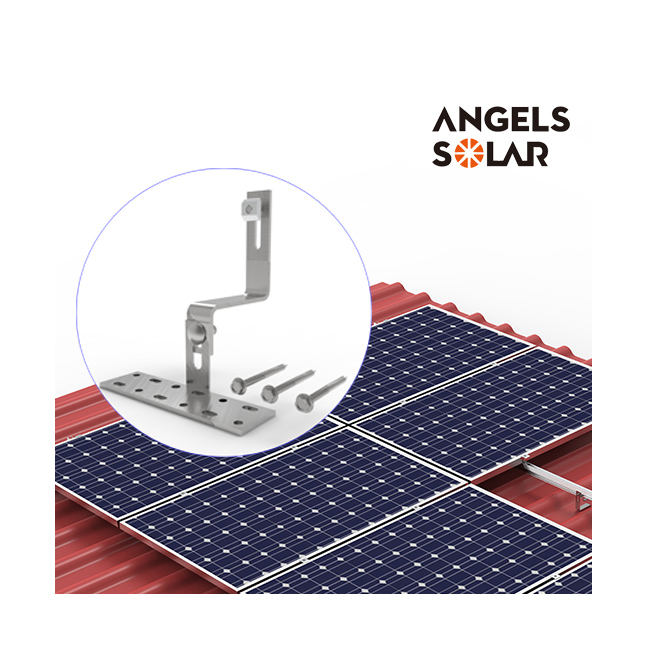
1.The spiral blade design distributes the load, providing excellent compressive and tensile strength, with a load-bearing capacity of 13.5-66 KN. 2.It tightly interlocks with the soil, effectively preventing structural settlement or displacement, making it suitable for long-term use. 3.After installation, the load-bearing capacity can be accurately predicted through equipment torque, complying with building structure load specifications.
EmailMore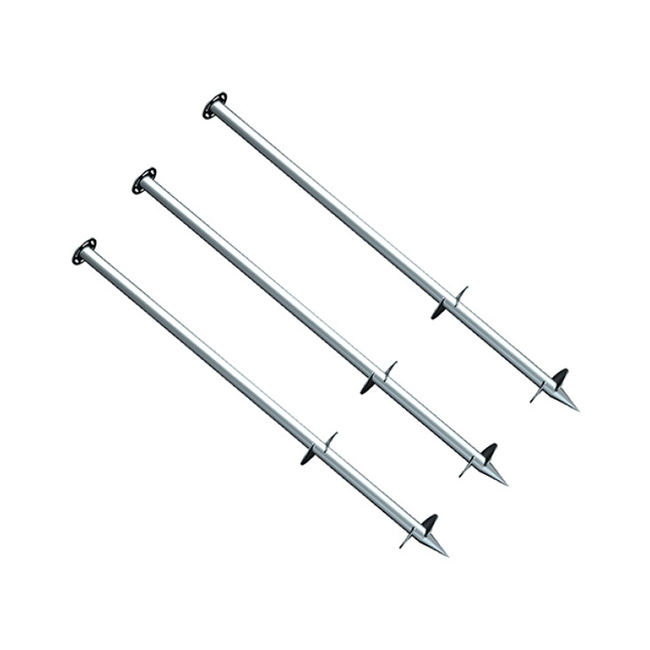
1.Made of high-strength steel such as Q235 and Q345, and treated with overall hot-dip galvanizing, with a coating thickness of ≥85 microns. 2.Complies with BS EN ISO 1461:2009 standard, offering strong resistance to soil corrosion and salt spray erosion. 3.The normal service life can reach 30-50 years, requiring virtually no additional maintenance costs.
EmailMore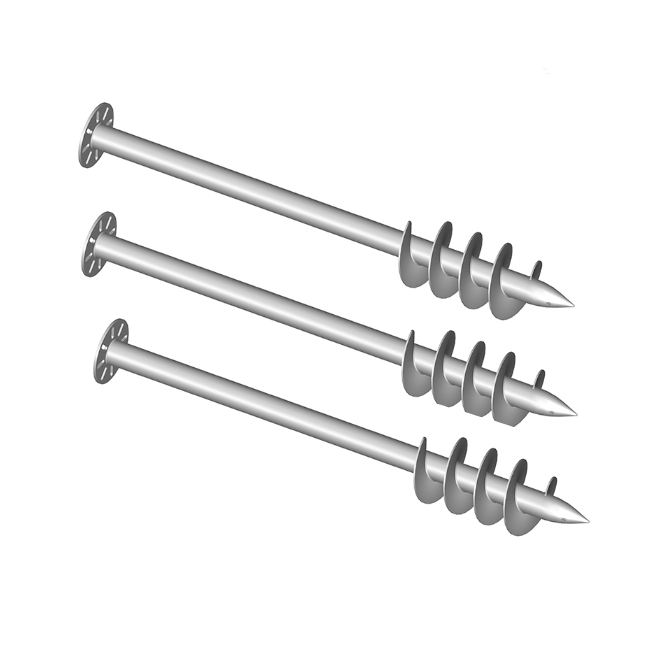
1.Compliant with the EN ISO 9001:2015 quality management system, and certified by a professional third-party testing agency. 2.Meets standards such as the "Technical Code for Building Pile Foundations" and the "Technical Code for Building Pile Foundation Testing." 3.Some products offer a 3-year quality guarantee, with clear assurance of structural integrity.
EmailMore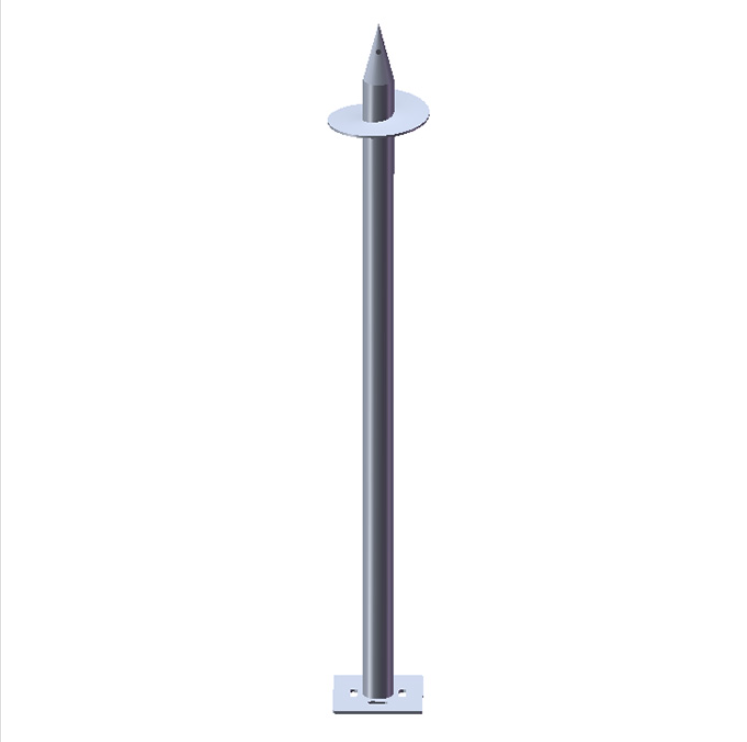
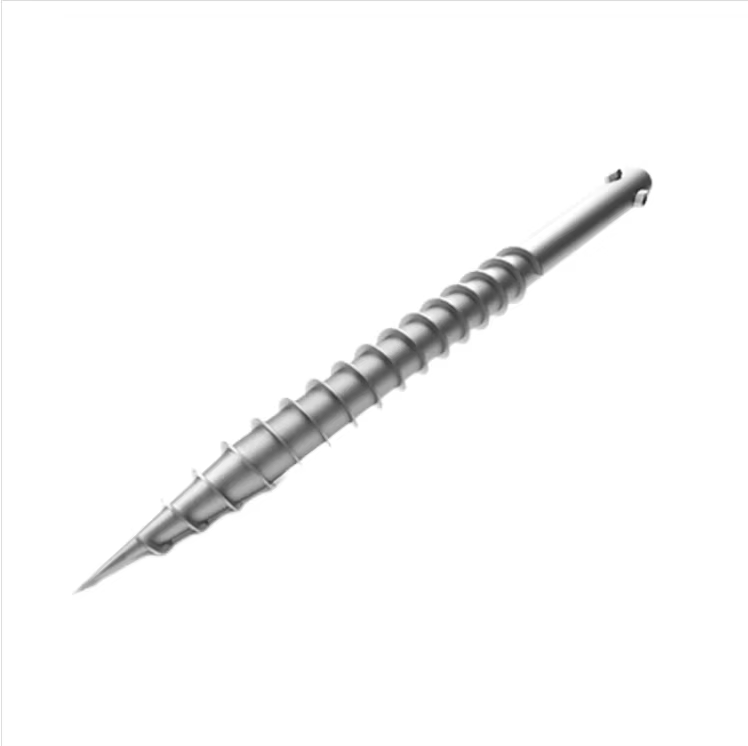
Ground Screw, also known as earth anchors or foundation piles, are foundationalsupport systems designed to secure structures, equipment, or temporary facilities.Made from durable materials like metal or concrete, they are installed below groundlevel through driving or drilling, providing exceptional stability and resistance to upliftforces.
EmailMore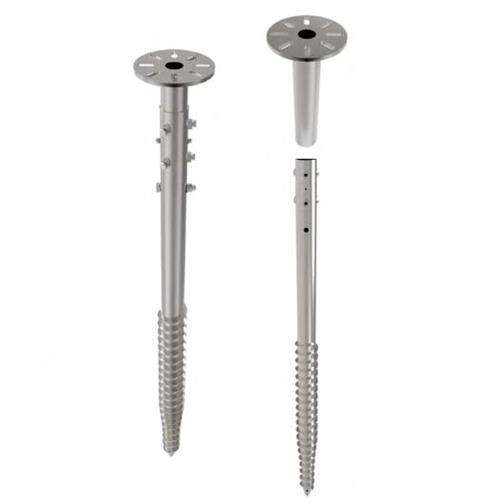
1.The installation process generates no construction waste and does not damage soil structure or surface vegetation. 2.It requires no traditional building materials such as cement and sand, resulting in significantly lower carbon emissions than concrete foundations. 3.It is detachable, recyclable, and reusable, and the site can be easily restored to its original state after removal, making it suitable for ecologically sensitive areas.
EmailMore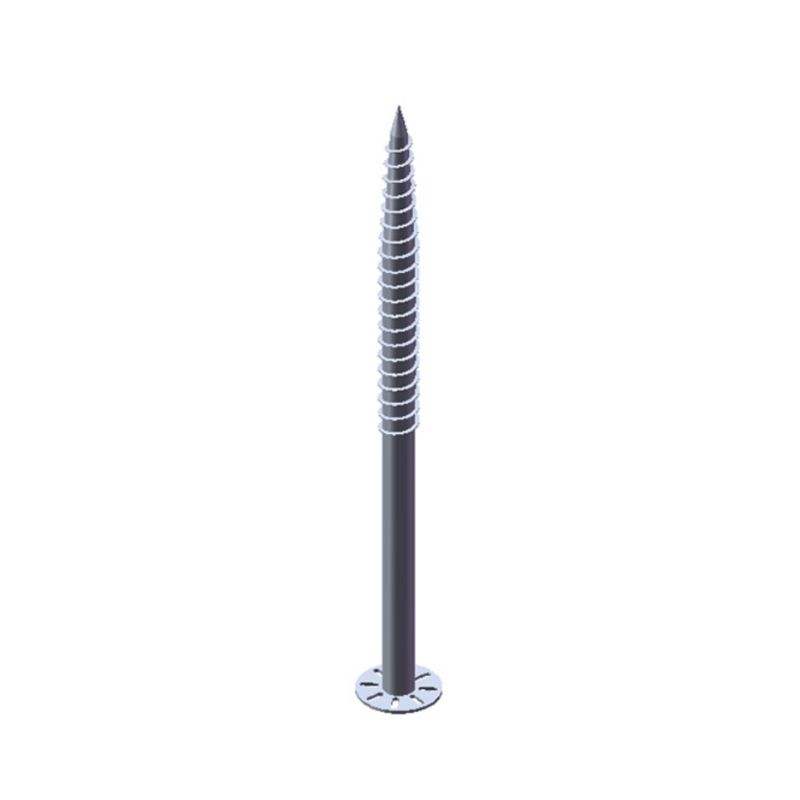
1.Compatible with various soil types including sandy soil, clay, and frozen soil, by adjusting blade parameters to suit different soil conditions. 2.Supports vertical and inclined installation, easily handling complex terrains such as slopes and uneven ground. 3.Customizable pipe diameters from 68mm to 220mm and lengths from 800mm to 3500mm to meet diverse engineering requirements.
EmailMore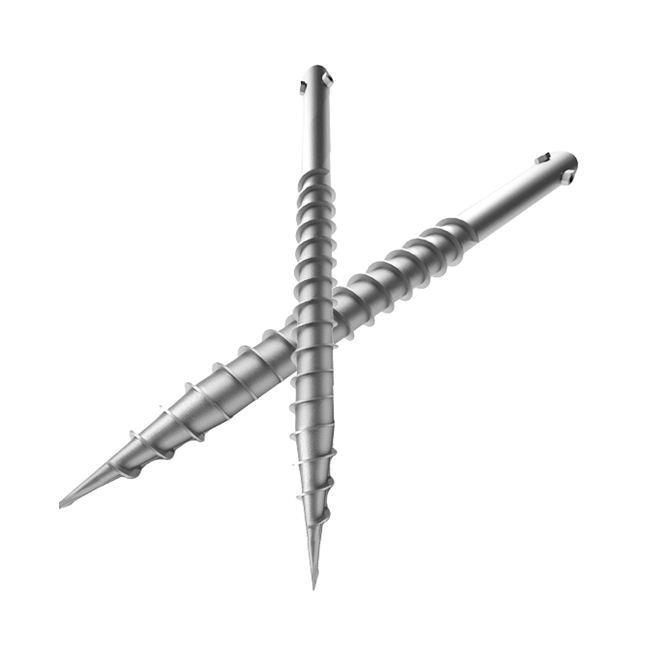
1.It eliminates the costs of excavation, material transportation, and maintenance, resulting in an overall cost reduction of over 30%. 2.It reduces reliance on large equipment rentals, making it especially suitable for remote areas or small-scale engineering projects. 3. Temporary facilities can be reused after dismantling, reducing long-term investment and resource waste.
EmailMore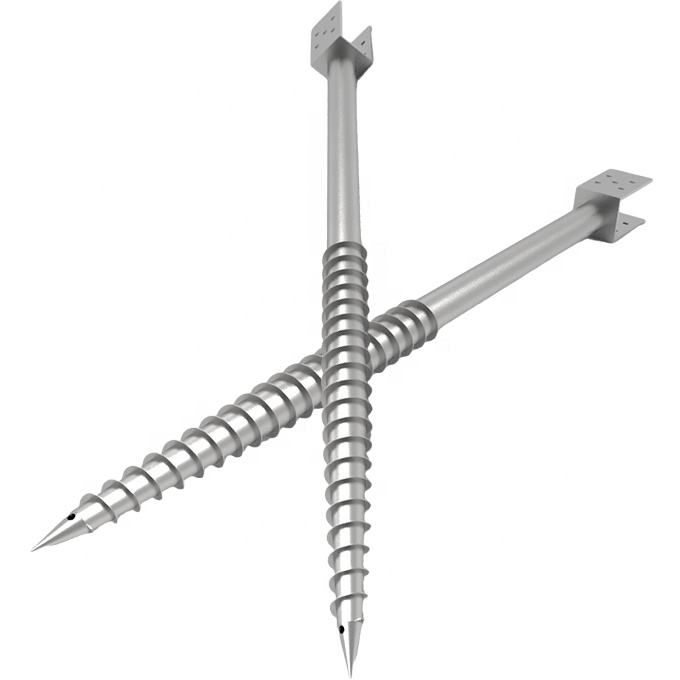
1.The operation process involves minimal vibration and low noise, making it suitable for sensitive environments such as urban areas and residential neighborhoods. 2.It does not require a large construction area and can be operated in confined spaces such as under bridges and in narrow areas. 3.It can bear load immediately after installation, eliminating the need for a curing period and accelerating project progress.
EmailMore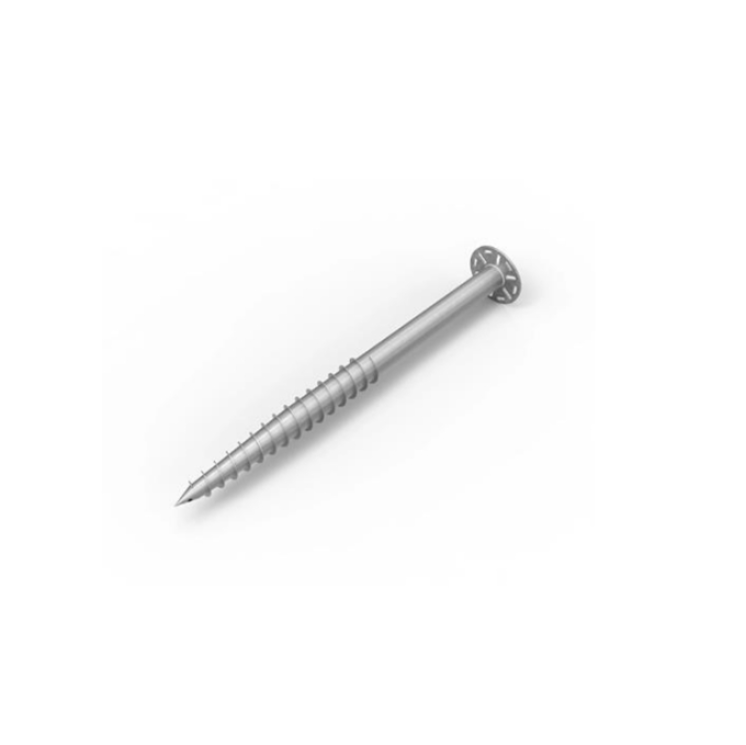
1. Eliminates costs associated with excavation, material transportation, and maintenance, resulting in an overall cost reduction of over 30%. 2.Reduces reliance on large equipment rentals, making it especially suitable for remote areas or small-scale engineering projects. 3.Temporary facilities can be reused after dismantling, reducing long-term investment and resource waste. 4.New energy sector: Photovoltaic brackets, wind turbine foundations, and other renewable energy projects. 5.Construction and municipal engineering: Wooden houses and villas, billboards, bus shelters, and traffic sign foundations. 6.Temporary emergency applications: Post-disaster facilities, event venues, temporary warehouses, and other rapid construction scenarios.
EmailMore